Choosing an Animal Clinic Near Me: Prairieville Edition
In Prairieville, the right animal clinic can feel like a lifeline rather than a routine appointment. You want care that respects both your budget and your pet’s unique personality. You want proximity that makes last‑minute visits less stressful, and you want a team that communicates clearly when a procedure is necessary or when a plan is best deferred. This guide comes from years of watching families navigate the choices, balancing convenience with quality, and learning what really matters when a pet needs care beyond a routine checkup.
As you read, you’ll notice the conversation moves from practical logistics to the subtler art of evaluating a clinic’s daily life. The aim is to help you build a short list you can trust, then decide with confidence. It’s not about chasing the best brand name; it’s about recognizing a clinic that treats your pet with consistency, honesty, and a steady willingness to partner in long‑term care.
A real-world framework for choosing
When I started taking my own dog to the Prairieville area, I learned to triangulate care, convenience, and transparency. First came location and hours. A clinic that sits just a few minutes from home reduces the friction of an urgent visit or a last‑minute bandage change. Then came the people who show up day after day, the technicians who know your pet by sight, and the veterinarians who answer questions without talking down to you. The best clinics in Prairieville feel like a relay team: the front desk greets you, the techs check vitals and gather history, and the veterinarian ties the thread from symptoms to a plan with practical next steps.
What you should expect from a dependable clinic
- Clear triage for emergencies and weekend coverage
- Transparent pricing and upfront explanations of costs
- A well‑communicating staff that documents changes in your pet’s condition
- Thorough preventive care and tailored senior pet programs
- A sense that you, the owner, are an essential part of the care team
These elements emerge from long conversations with pet owners who weigh the cost of care against the emotional stakes of a sick animal. You’ll notice the difference not just in the statements a clinic makes, but in how those statements translate into the care you observe in the exam room, the sheltering warmth in the lobby, and the steadiness of the clinicians when a plan must adapt to new information.
Why Prairieville matters
The local ecosystem around Prairieville Animal Hospital offers a spectrum of vet services from general preventive care to more specialized diagnostics. A clinic that earns trust here tends to implement preventive pet care as a daily discipline rather than a promotional line. In practice, this means routine wellness visits, age‑specific vaccines, dental cleaning outreach, and lifestyle counseling tailored to breeds and life stages. It also means readiness to discuss affordability without sacrificing quality, so people don’t have to choose between care and rent money at the end of the month.
Remember that a clinic’s reputation often reflects a community of owners who share notes, warnings, and successes. If neighbors in the same zip code report consistent appointment times, compassionate handling of anxious pets, and precise, readable explanations of test results, you’re likely onto a good rhythm. On the flip side, repeated billing friction, vague diagnoses, or rotating personnel can hint at deeper issues with continuity of care. It’s a subtle signal, but one that becomes clear after a few visits.
Decoding the practical footprint of a local animal clinic
One thing I learned early is that a clinic’s structure shapes the experience. A spacious lobby with a calm, patient clientele suggests an environment designed to spare stress during visits. Quiet exam rooms that feel apart from the waiting area help pets relax. A well‑organized back office, where charts are up to date and vaccines are tracked, stands in for the absence of drama when a pet suddenly needs care.
This is not about shiny surfaces or fancy equipment alone. It is about the clinic’s daily rhythm: how front desk staff manage crowded mornings, how techs prepare a room with the patient’s history in view, and how the veterinarian explains complex findings in plain language. You want a place where you don’t feel rushed, where answers come with a plan you can actually carry out, and where the team recognizes you are not just paying for a service but partnering in a living being’s health.
Venturing beyond routine wellness
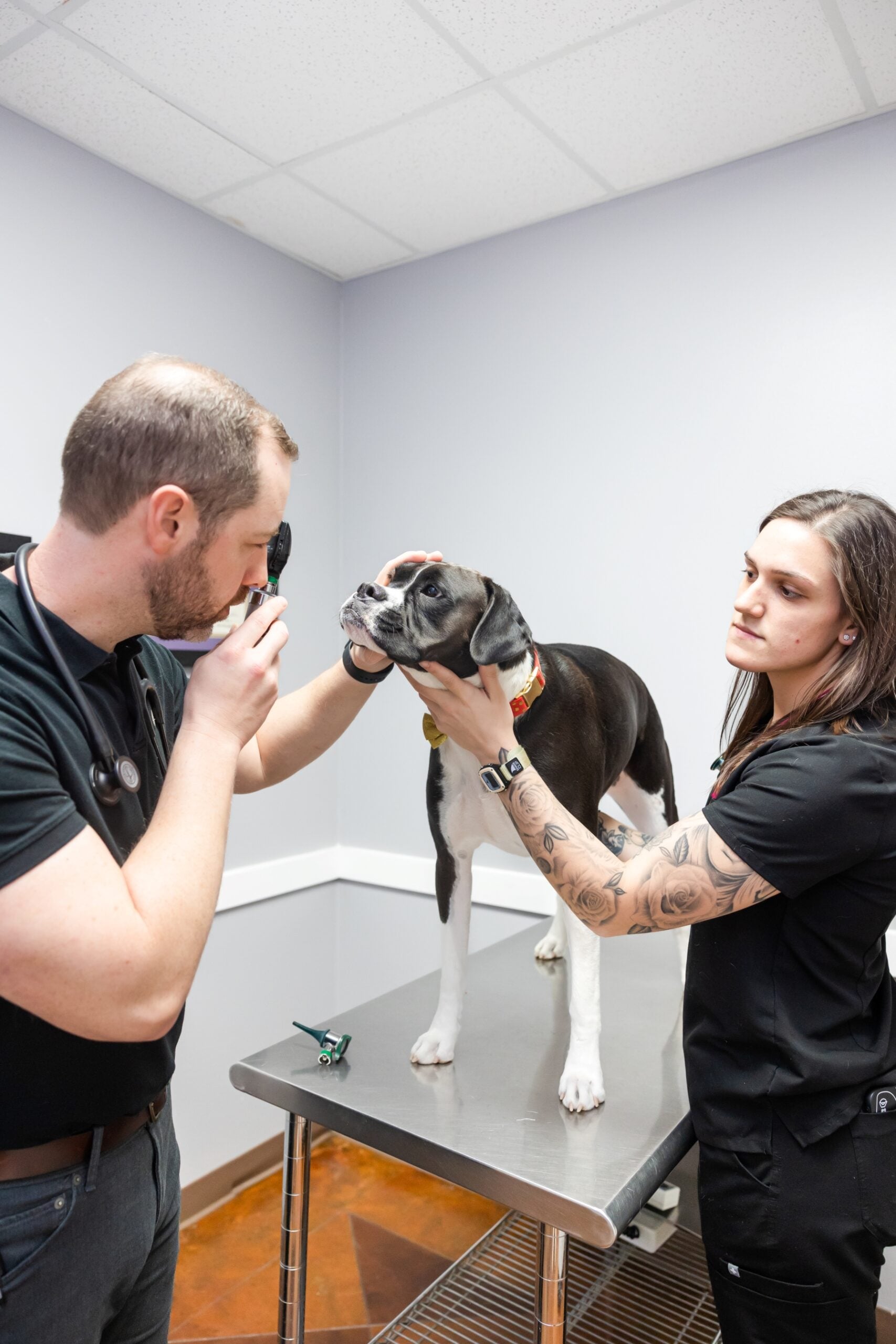
Every pet owner understands the moment when routine care evolves into something more pressing. Perhaps your cat stops eating and loses weight, or your dog strains to breathe during a walk. The challenge is in choosing a clinic that treats urgent symptoms with due seriousness while still emphasizing prevention so similar events become less likely in the future.
A good clinic will balance diagnostic thoroughness with practical constraints. They will suggest laboratory tests only when the results will change the plan, and they will present options with realistic timelines and price ranges. They will also discuss the potential benefits and risks of any procedure, from dental extractions to imaging studies. The goal is to avoid a glut of unnecessary tests, while not shying away from essential ones when they truly add clarity.
Building a relationship with your veterinarian

A long‑term relationship with a vet means more than a single friendly face. It’s about continuity of care. If you move, you want a clinic to help you transfer records decisively and with your consent. If your pet develops a chronic condition, you want a clinician who revisits the plan at defined intervals, adjusts medications with you, and explains the rationale behind each change.
In Prairieville, the best clinics foster these relationships not through grand promises, but through steady routines: reminders for vaccines and parasite prevention, a clear senior pet care program, and careful monitoring of weight, dental health, and activity level. They don’t just treat problems; they track wellness trajectories and you feel that over time. That is the difference between a one‑off visit and a living, evolving care plan.
The affordable vet care conversation
Affordability is a real constraint for many households. It is not a dirty word to discuss, provided it is treated with honesty and a practical approach. A solid clinic will present preventive care as a cost saver in the long run. Regular vaccinations, dental cleanings, and early diagnostics help prevent expensive emergencies down the road. They will also offer transparent pricing for common services and provide options for payment plans or seasonal promotions that do not compromise the standard of care.
In practice, you will learn to assess value by asking about the likelihood of outcomes, not just the price tag. If an exam, a few vaccines, and a small screen test are recommended, ask what each item costs, why it’s recommended, and what alternatives exist. A well‑run clinic will lay out a concise, itemized estimate before proceeding, and will confirm whether any suggested tests will alter the treatment plan. The https://dantevyop184.inkharbory.com/posts/prairieville-animal-hospital-a-vet-clinic-you-can-trust-for-your-pet-s-health best teams keep you informed and preserve your autonomy while steering toward the best outcome for your pet.
What to look for in an animal clinic near Prairieville
- A clear sense of the practice’s philosophy toward preventive care
- Staff who demonstrate patience with questions and a willingness to explain results
- Availability of after‑hours advice and a defined emergency protocol
- Transparent, itemized pricing and consistent billing practices
- Programs that support senior pets, chronic conditions, and end‑of‑life considerations
If this list resonates with you, you are on the right track. It is not all about fancy equipment or the latest certification buzzword. It is about the day to day reality of caring for animals who depend on people to notice the early signs of trouble, to seek help promptly, and to follow through with the plan that makes sense for the family.
Navigating initial visits and ongoing care
The first visit to a new clinic often sets expectations for the months to follow. You arrive with a leash, a carrier, and a handful of questions that you hope the staff can answer without friction. The receptionist checks you in and greets your pet with a calm voice, a small gesture that matters when a dog is nervous or a cat is wary of new surroundings. In the examining room, the veterinarian collects a concise history, noting any changes in appetite, activity level, or litter box behavior. They likely take vitals, listen for heart and lung sounds, and perform a quick physical assessment. The information you provide blends with exam findings to form a preliminary picture.
From there the plan unfolds with a balance of reasoning and practical constraints. For a routine wellness panel, you might receive a standard set of vaccines plus a nail trim and dental check. If your pet has a chronic issue such as arthritis or skin allergies, you’ll work with the veterinarian to adjust medications or to introduce adjunct therapies like quality of life assessments or environmental modifications. If a problem seems urgent, the clinic will outline the next steps, whether this means an in‑clinic imaging appointment, a blood panel, or a referral to a veterinary specialist.
A note on communication
Clarity is not a luxury in veterinary care; it is a necessity. You should expect concise explanations that remove medical jargon and replace it with concrete implications. Ask about the severity and prognosis in terms you understand. If a test result suggests a treatment path, request a timeline for reassessment and a plan to monitor progress. The best clinics keep you in the loop with written summaries after visits, especially when multiple diagnostic steps are involved or when prescriptions require careful dosing adjustments.
Senior pet care and life stage planning
As pets age, their needs shift in noticeable ways. Senior care involves more frequent checkups to catch ailments early and to manage chronic conditions effectively. Dental health often becomes a bigger concern as age increases, and weight management travels from a lifestyle suggestion to a clinical objective. A thoughtful clinic will invite you into the plan with specific targets: a schedule for biannual or quarterly visits, a plan for kidney function monitoring in older cats, a protocol for managing canine mobility issues, and candid discussions about palliative care when it becomes appropriate.
In Prairieville this focus on senior care is embodied by clinics that offer targeted vaccines and regular dental cleanings, integrated with weight management programs and behavioral support. It’s practical, not ceremonial. It is a philosophy that recognizes the realities of aging pets while still aiming for a high quality of life. The reality is that most families will benefit from a predictable schedule rather than a series of unconnected visits driven by urgent events.
Choosing the right partner for your family
Ultimately, the choice of an animal clinic near Prairieville is about finding a partner you can trust over years. It is about building a working relationship where you can bring questions, share concerns, and feel heard. It is about a practice that respects your budget without compromising essential care, and that treats your pet as a companion rather than a problem to be solved. The right clinic will earn your loyalty through consistent, compassionate service that stands up to scrutiny and remains steady when life gets busy.
A practical approach to evaluating clinics
If you are starting from scratch, you can build a simple evaluation framework. Visit a few clinics in person, observe how staff interact with animals and with people. Notice how information flows from the lobby to the exam room, how test results are explained, and how the team handles a behind‑the‑scenes situation, such as a sudden change in an appointment slot. Ask about their approach to client education and how they help you create a practical plan that suits your circumstances. In the end, the right choice should leave you with a sense of confidence and a clear path forward for your pet’s health.
Two notes worth bearing in mind
- Proximity matters more than you might expect, especially for anxious pets or for families with tight schedules. A clinic near your home or workplace can transform the experience of routine visits and urgent calls alike.
- The human side matters as much as the medical side. You want a team that treats you as a partner, not as a transaction. The best clinics operate with a culture of respect, openness, and steady communication.
The future you can expect from a reliable clinic nearby
A clinic with a sustainable approach to care will invest in preventive strategies that pay dividends over time. You will see reminders for vaccines and parasite control, reminders for senior pet checks, and a system that flags when a plan needs adjustment as your pet ages or as life circumstances change. The emphasis is on continuity rather than episodic care. It is about building a healthier baseline for your pet and a smoother path when disease does arise.
A final word on choosing wisely
If you are standing at the threshold of a decision about where to take your dog or cat, you are already on the right track. You do not need to settle for quick fixes or opaque recommendations. A thoughtful clinic near Prairieville will invite you into the care process with honest pricing, clear explanations, and a straightforward plan you can repeat year after year. The most valuable clinics are the ones that notice when your pet’s behavior shifts, that offer practical behavioral and environmental advice, and that respond with competence when a situation requires urgency.
In the end, the choice comes down to a blend of proximity, trust, and clarity. It is the difference between feeling unsure every time you pick up the phone and walking into a clinic with a shared sense of purpose. When you find that place, you and your pet will experience care that feels less transactional and more like a lasting partnership.
Two practical questions to bring to your first visit
- How do you handle emergencies after hours, and is there a defined protocol for triage?
- What is your general approach to preventive care, and how do you tailor it for my pet’s age and lifestyle?
These questions do not require a complicated answer. They are designed to reveal the clinic’s operational tempo and its commitment to long‑view planning. If a staff member can articulate a clear, patient, and affordable path forward, you are likely looking at a strong fit.
The road to a confident decision is rarely one smooth mile. It involves listening to the voices of other pet owners, inspecting how a clinic organizes its day, and, most importantly, visiting with your pet in mind. By staying curious and patient, you will discover a Prairieville clinic that aligns with your values and supports every stage of your pet's life.