Prairieville Animal Hospital: Pet Boarding with 24/7 Monitoring
The dog days of summer and the long nights of winter share a common thread for pet owners in Prairieville: the worry about leaving a beloved companion behind. At Prairieville Animal Hospital, the approach to pet boarding is built on experience, daily routines, and a clear understanding that a seamless stay away from home hinges on trust, attention to detail, and constant oversight. This isn’t a generic kennel. It’s a medical practice that treats boarding as an extension of preventive pet care, with facilities designed to reduce stress for animals and give owners peace of mind.
From the moment you arrive, the environment signals a blend of warmth and reliability. The lobby is quiet enough to ease anxious pets, yet bustling enough to reflect the active rhythm of a clinic that handles wellness visits, vaccinations, and urgent care. For many clients, the first impression matters as much as the last. A clean, well-lit reception area, careful safety protocols, and staff who greet you with a calm, confident tone set the tone for what follows. The team understands that boarding is not about leaving a pet behind; it is about ensuring their daily needs are met with the same fidelity you’d expect at home.
A core strength of Prairieville Animal Hospital's boarding program is its emphasis on 24/7 monitoring. The concept sounds straightforward, but the execution requires a robust routine: trained staff on site around the clock, cameras and observation protocols that catch subtle changes in appetite or behavior, and a hands-on approach to every animal that steps through the door. The boarding rooms are designed to be comfortable and quiet, with climate control that keeps temperatures stable in all seasons. Small dogs and large dogs alike find spaces that feel secure without isolating them from daily human contact. Cats have separate runs that minimize stress and reduce the likelihood of cross-species anxiety, a common trigger in multi-pet facilities.
The medical lens is never far away. While the primary goal is daily comfort, the practice nature of the hospital means health concerns receive prompt attention. If a pet has a chronic condition such as arthritis, dental disease, or skin sensitivities, the care plan travels with them into the boarding environment. The team logs feeding schedules, medication administration, and any observed changes in mobility or mood. Owners can request additional monitoring for specific needs, whether that means extra potty breaks, a longer walk, or a mid-day wellness check. In practice, this translates to fewer surprises when you return home and a smoother adjustment for the pet after a period away.

A boarding stay is also a window into the daily life of a pet that often thrives on routine. Dogs tend to settle into a rhythm that mirrors their home life—meals at predictable times, play sessions that match energy levels, and rest periods that balance activity with recovery. The ability to preserve routine during a stay away from home makes all the difference for many dogs who might otherwise become anxious or over-stimulated. The staff recognize this and tailor the schedule to each animal’s temperament and medical history. For seniors, there is particular attention paid to mobility, comfort, and cognitive health support. For puppies, there are gentle socialization opportunities under supervision, always prioritized with safety as the baseline.
One aspect that sets Prairieville Animal Hospital apart is its integrated approach to preventive pet care. Boarding isn’t a standalone service here; it’s a touchpoint in a broader continuum of wellness. Before an initial boarding stay, owners often encounter a quick health screen that includes weight checks, dental status, and vaccination reviews. The idea is not to catch problems after the fact, but to minimize risk from the outset. If a pet has gaps in vaccines or needs a booster, the team can coordinate a plan that aligns with the owner’s schedule and the hospital’s policies. For some families, this means a boarding stay becomes a convenient moment to refresh preventive care, rather than a separate visit later in the year.
The human element matters deeply in the daily experience. The staff at Prairieville Animal Hospital bring years of bedside manner to the kennel, so to speak. They’re not simply observers, but active caregivers who speak softly when a pet nuzzles a blanket, who offer praise with the same cadence a kid might hear after a successful school presentation. The communication with owners is structured but never robotic. After a day away from home, clients return to a concise report detailing meals, medications, mood, and activity. It’s not a long letter, but it carries enough detail to reassure someone who wonders about the neighborly life their pet led while away.
For owners who want to stay closely connected, the hospital offers practical options. Some facilities rely on photos and a few texts. Prairieville Animal Hospital tends to offer a more robust update system, including occasional live updates when a special event or a training session occurs in the play area. Depending on the pet’s temperament and the owner’s preference, photos and short notes can keep families in the loop without turning the stay into a constant stream of disruption. The goal is balance: maintain a sense of normalcy for the pet while providing the owner the reassurance they expect from a veterinary partner who understands the stakes.
The physical setup of the boarding area deserves attention as well. Separate zones for dogs and cats help minimize stress and reduce the chance of interspecies stress responses. Within the dog area, there are play yards that encourage safe socialization when appropriate, but quiet quarters are available for dogs who prefer solitude or sleep more than social interaction. Bedding is clean and changed with a schedule that aligns with veterinary hygiene standards. Treats and meals are controlled to support dietary needs and avoid conflicts among pets sharing spaces. Temperature, lighting, and sound control are managed with an eye toward minimizing overstimulation, which can be a real challenge in busy boarding environments.
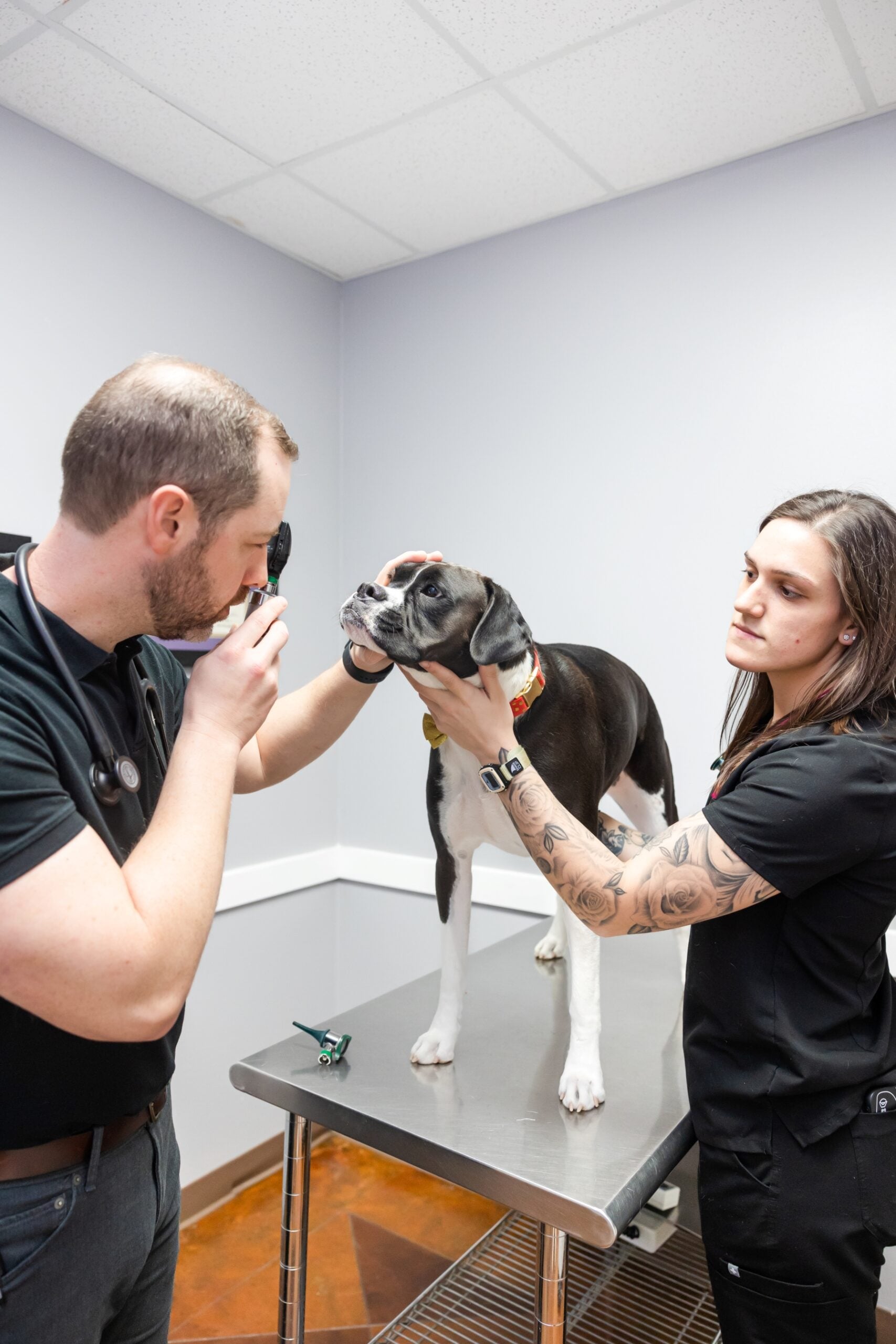
Owners who are particular about nutrition will appreciate the hospital’s approach to feeding. While most pets thrive on their usual diet, staff can accommodate dietary restrictions or special diets prescribed by the veterinarian. A typical boarding day includes a morning meal, a midday snack for some, and an evening meal. For pets with appetite concerns, staff monitors intake closely and communicates any significant deviations to the owner promptly. Hydration is monitored as well, with fresh water available at all times, and staff ready to address any signs of dehydration quickly, especially in warmer months when activity levels may be up and water needs increased.
Medical readiness is another anchor. Vaccination status is reviewed whenever possible, and the team has a protocol for addressing minor health issues that might arise during a stay. The hospital’s on-site pharmacy and medical equipment mean that common concerns such as minor skin irritations, ear infections, or eye discharge can be evaluated and treated without requiring an additional trip to a clinic. This kind of seamless access to care is what many families value, because it reduces the friction of care while away from home and sustains confidence in the overall well-being of the pet.
Species-appropriate enrichment is a key feature as well. Dogs benefit from daily physical activity, puzzle toys, scent games, and supervised play. Cats receive perches, hiding spots, and climbing structures that mimic an indoor environment that appeals to their natural instincts. Enrichment is not a luxury here; it is a daily habit, embedded in the schedule to support mental health and prevent boredom. Observations from staff about engagement levels, interest in play areas, and interaction with caregivers often help inform adjustments to the routine, ensuring that a stay remains a positive experience.
For families weighing options, the practical questions tend to center on cost, flexibility, and proximity. Prairieville Animal Hospital’s boarding rates are competitive within the local market, and many clients appreciate the transparency of billing. There is often clarity around what is included in a standard stay, such as the level of monitoring, the availability of medication administration, and the type of pet-provisioning supplies provided. If a pet requires additional services—such as a daily long walk, extra medication, or a late check-out—these requests are discussed upfront and accommodated when feasible. The aim is to keep the process straightforward, even when a pet’s care plan is more complex.
The community dimension also matters. Prairieville Animal Hospital is more than a place to leave a pet while owners are away. It is part of a network of veterinary professionals who know the pets in the neighborhood. Regular clients often recognize familiar faces among the staff, which helps create a sense of continuity. When a pet has boarded before and returns, there is often a sense of recognition that extends beyond a simple recognition of a name. The relationship between the team and the owner becomes a form of continuity that supports ongoing wellness, which is particularly meaningful for seniors and pets with long-standing medical histories.
The decision to board is nuanced. Some owners prefer daycare-style supervision that still offers in-and-out access to their pets. Others want a more contained environment where dogs and cats can rest without the noise of traffic and visitors. Prairieville Animal Hospital accommodates a spectrum of preferences, always mindful of the welfare and safety of each animal in care. And for families planning ahead, there is the practicality of scheduling. The calendar fills up during holiday periods and school breaks when travel spikes. Early booking is often the best move if you want to secure a preferred suite or a specific caregiver. The hospital staff understand the rhythm of family travel and plan accordingly, with clear prairievilleanimalhospital.com communication about availability and booking requirements.
Ultimately, boarding at Prairieville Animal Hospital becomes more than a temporary arrangement. It is a period of stewardship, during which the team carries forward the pet’s daily routines, medical needs, and emotional landscape with a steady hand. The care philosophy rests on the belief that pets should not merely endure a stay away from home, but rather continue to thrive in a familiar, medically supervised environment. When owners return, many describe a sense that their pet has remained themselves—no dramatic personality shifts, no signs of distress beyond the normal adjustments, and a credible sense that the care team has truly looked after the animal as if it were their own.
Two practical considerations stand out for families who rely on this service. One is the value of clear, upfront communication about any behavioral or medical concerns that could impact the stay. The other is the degree of flexibility offered by the hospital to accommodate last-minute travel changes or extensions to a boarding period. In practice, both come down to how well the staff listen, document, and respond. The best boarding experiences hinge on a collaborative relationship between owners and caregivers, built on trust that grows with each visit.
If you are planning a first boarding stay, there are essential steps to take that can smooth the process. First, schedule a quick pre-boarding appointment for a health check. A quick exam can catch issues that might complicate a stay, such as dental pain, a skin infection, or a subtle limp that could be aggravated by activity. This appointment also allows the veterinary team to confirm vaccination status and verify any medications that must accompany the pet. Second, bring a familiar comfort item. A favorite blanket or a worn toy with your scent can help ease anxiety. Third, share a detailed daily routine from home. The more the staff know about feeding times, exercise preferences, and preferred sleeping arrangements, the easier it is to mimic the usual day. Fourth, provide a list of medications with dosages and schedules, and confirm how these will be administered during the stay. Finally, talk through any behavior concerns. If a pet tends to whine at night, or if a dog is especially reactive around other animals, communicating that in advance helps the team tailor supervision and enrichment appropriately.
In the end, the experience reflects a blend of veterinary precision and pet-centric hospitality. The staff are trained to recognize subtle changes in a pet’s health or mood, and they respond with the kind of timely intervention that respects both medical standards and the animal’s comfort. For owners, the reassurance comes not from vague promises but from tangible routines: documented monitoring notes, predictable feeding schedules, and access to updates that help confirm the pet’s well-being. The result is a stay that feels less like a departure and more like a well-managed extension of home life, nurtured by the same hands that care for your family’s animals every day.
What follows are two concise lists that capture the essence of the boarding experience without turning the narrative into a checklist. The first highlights the core elements that shape daily life in the boarding suite, while the second offers guidelines for preparing a pet and a family for the stay.
-
What to expect during a boarding stay:
-
Constant oversight by trained staff, 24 hours a day
-
Customized routines that mirror home life, from feeding to rest
-
Enrichment activities designed to fit the pet’s energy level and personality
-
Medical access and field-tested protocols for routine care and minor concerns
-
Regular updates to owners, with opportunities for photos or notes as requested
-
Tips for preparing your pet and family:
-
Schedule a pre-boarding health check to confirm vaccines and medications
-
Bring a familiar item that carries your scent to ease anxiety
-
Share your pet’s daily routine, including feeding times and exercise preferences
-
List medications clearly with dosages and administration times
-
Discuss any behavioral or medical concerns ahead of time to tailor supervision
The boarding program at Prairieville Animal Hospital is not a one-size-fits-all service. It is a flexible, well-supported option that aligns with a broader philosophy of preventive pet care. The hospital’s approach recognizes that when families travel, the well-being of their animals should not be a source of extra stress. Rather, it should be safeguarded by a system that anticipates needs, adapts to changes, and maintains continuity with regular care. This is where boarding becomes a meaningful component of a pet’s health plan rather than a distant detour from daily life.
The experience carries through to the end of the stay as well. When the pet returns home, the transition is usually smooth. Dogs may greet their familiar belongings with the same curiosity they bring to a park visit, while cats might explore the home territory with quiet confidence, often indicating that the environment has not felt overwhelming during their time away. Owners report that medications, routines, and general health status are easy to verify through the post-stay communication, which is a hallmark of the integrated care model at Prairieville Animal Hospital. This approach reduces the typical tension around boarding, replacing it with a sense of ongoing care that feels both practical and compassionate.
In practice, the value of 24/7 monitoring is measured not just in the absence of emergencies but in the proactive stance that staff take toward potential issues. A pet that demonstrates a slight appetite decline on day two can trigger a quick check, an adjustment to a meal plan, or a contact to the owner for guidance. A pet with a subtle limp may receive a gentle evaluation by a veterinary technician who can advise whether a visit to the veterinarian is needed when the owner returns. While not every risk can be eliminated, the system is designed to catch deviations early, which often makes the difference between a minor hiccup and a larger health concern.
The relationship between the boarding program and the clinic’s broader services is worth noting. If a pet ends up requiring a medical intervention during a stay, the transition is seamless because the hospital operates with a unified team. This is not a external service layered on top of a veterinary clinic; it is an integral part of the clinic’s patient-care ecosystem. The comfort this brings to owners is substantial, especially for families whose pets have chronic conditions or age-related needs. The hospital’s ability to pivot quickly—whether that means adjusting a treatment plan, initiating a diagnostic workup, or coordinating a home-care plan—speaks to a level of preparedness that rarely comes with stand-alone boarding facilities.
For those who are new to Prairieville Animal Hospital or who are trying to decide among several options, visiting the facility for a tour can be informative. Observing the cleanliness of kennels, the configuration of quiet zones, and the demeanor of the staff in real time provides a tangible sense of what the stay will feel like. Listening to staff describe their routines in a measured, confident way can be more helpful than any brochure. It is often the difference between a decision made on surface impressions and one grounded in firsthand insight about how a hospital operates when it is at full capacity.
The topic of affordability inevitably arises in discussions about pet care. The hospital frames its pricing in the context of value rather than mere cost. The justification for the rates rests on transparency, the availability of on-site medical care, the quality of supervision, and the ability to handle complex care needs within a single facility. For families who depend on preventive care as a long-term investment, this integrated approach can be a meaningful economic choice. It reduces the likelihood of emergency trips or medical gaps after a boarding stay, because the care plan for the pet remains connected to veterinary oversight throughout.
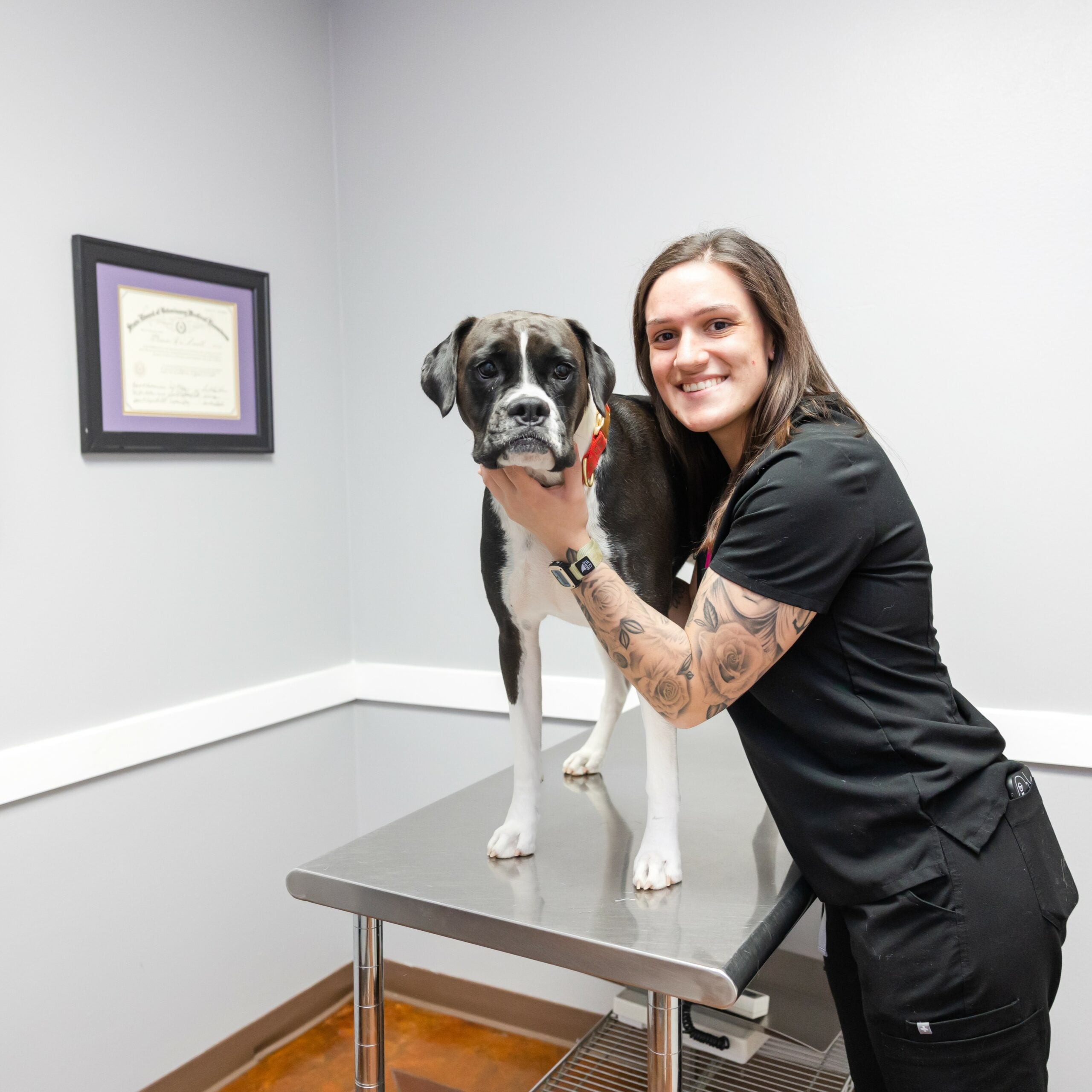
In sum, Prairieville Animal Hospital offers a thoughtful, well-supported boarding option that respects both the animal’s need for routine and the owner’s desire for consistent medical oversight. The program is anchored in 24/7 monitoring, a patient-centric daily schedule, and a readiness to respond to evolving health needs. It is not simply a place to keep a pet while away from home; it is a component of a broader plan for preventive care, tailored to each animal’s temperament, medical history, and family’s expectations. For many families in the Prairieville area, that clarity makes all the difference when travel plans call and the question of care becomes the practical reality that follows.
If you are exploring options and feel drawn to a place that truly treats boarding as part of a larger veterinary mission, consider the practical takeaway. You are not just securing a safe space for your pet; you are connecting with caregivers who view health as a continuous journey. The 24/7 monitoring, the attention to enrichment and routine, and the straightforward, compassionate communication all contribute to an experience that many owners describe as reassuring rather than worrisome. The result is a stay that respects the animal’s needs while supporting the owner’s peace of mind.
Ultimately, the choice to board at Prairieville Animal Hospital may be a decision that influences your pet’s ongoing wellness. It aligns with a philosophy that values proactive care, steady routines, and a human-centered approach to veterinary medicine. For families who want to know that a trusted medical team is watching over their companions, this boarding program offers a compelling synthesis of care, practicality, and dependable monitoring. In the end, it is about the small details that accumulate into a large difference—the cured minor irritations before they become bigger problems, the predictable daily rhythm that minimizes stress, and the quiet confidence that comes from knowing you have a partner who treats your pet as if they were their own.