Prairieville Animal Hospital Pet Wellness Exams: Behavior and Comfort
An exam at Prairieville Animal Hospital is not just a snapshot of physical health. It’s a window into how your pet navigates daily life, manages stress, and expresses comfort. Over years of seeing dogs and cats through the full arc of illness and aging, I’ve learned that the most meaningful wellness checks weave together medical assessment with behavioral readouts and environmental context. That approach pays off in fewer surprises, smoother recovery from surgeries, and a sense of reassurance for owners who want to understand what their companion is telling them without words.
The word wellness carries weight in small clinics like Prairieville Animal Hospital because it is about prevention as much as it is about treatment. A well-pet is a happier, more confident animal, and a happy patient makes life easier for the whole household. In practice, that philosophy translates into a careful examination, a conversation that respects your daily routines, and a plan you can actually follow at home. Here is how a typical wellness visit unfolds, what sets it apart in behavior and comfort assessment, and what you can do to prepare.
A practical frame for wellness visits starts with a routine that is consistent but never robotic. When you walk into Prairieville Animal Hospital, you and your pet encounter a team that recognizes that each animal comes from a different background. Some cats slip through clinics with a calm, almost indifferent posture, while others arrive with a tremor in the whiskers and a pace that betrays nerves. Dogs may be analytic about doors, tall windows, or the scent of another animal in the lobby. The staff’s first job is to settle the space so your pet feels a touch more predictable. In my experience, a calm room is not merely about quiet; it is about the choreography of people, places, sounds, and the simple ritual of a leash or carrier that signals, You belong here.
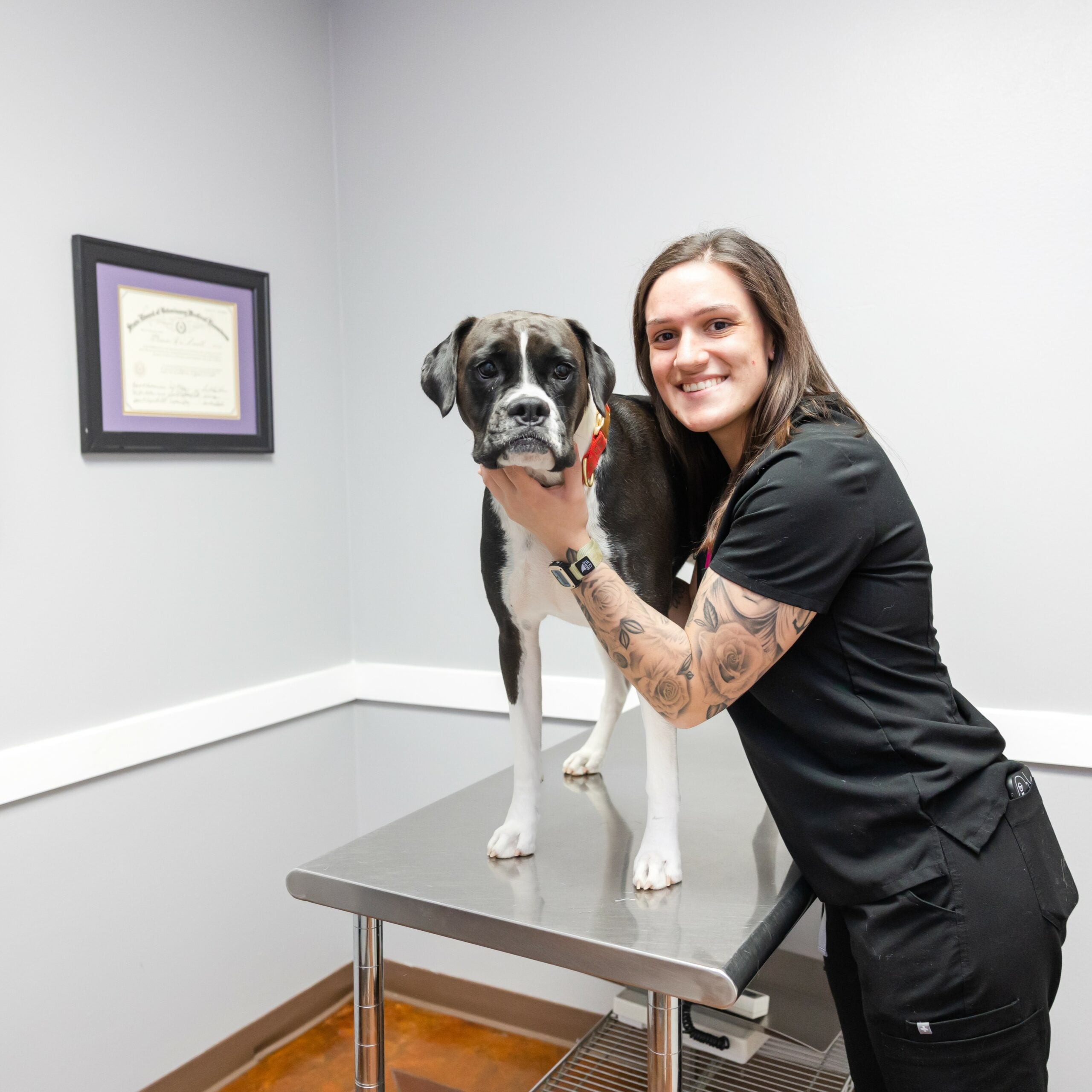
Beyond the rituals of the exam, there is a practical objective: translate medical signs into actions you can take. A wellness exam at Prairieville Animal Hospital aims to identify not only the presence of a disease, but also the way it could alter everyday life. We talk about appetite and activity, the pace of morning routines, and whether your cat jumps onto the counter with more effort than before. We consider the behavioral signals that may indicate discomfort, stress, or a change in sensory perception. The person who loves your pet knows those signals best, and the vet brings a trained eye to confirm or question those impressions, then collaborates with you on a plan that respects your pet’s routine.
The wellness visit begins with a quiet acknowledgement of your pet’s personality. We listen for the kinds of behaviors that show up daily, such as how your dog interacts with strangers in the yard, how your cat handles a new litter environment, or how a senior pet copes with stairs and bedding. The reason this matters is simple: medical problems often reveal themselves through behavior long before bloodwork or imaging makes a diagnosis. A dog that stops wagging after a quick walk around the block, or a cat that hides and refuses meals, can be a signal that requires attention. Yet we want to avoid overreacting to a single atypical day. The aim is pattern recognition—seeing how patterns change over time.
As a clinician who has walked many eager puppies through vaccines and many clever seniors through dental cleanings, I know comfort is not a property you can measure with a single gauge. It is a composite of how your pet breathes, how they hold their body when touched, how they move while the exam tools approach, and how the atmosphere of the clinic shapes their willingness to participate. A well-executed wellness exam respects the animal’s current state while offering a clear path toward improvement. It is about balance—between thoroughness and restraint, between curiosity and patience, between medical necessity and humane pacing.
What wellness exams look like in practice
A comprehensive wellness exam is a structured conversation that blends objective measurements with subjective impressions. On the medical side, you will see the standard vitals—temperature, heart rate, respiratory rate, mucous membrane color, capillary refill time. We assess weight trends and body condition score, which are not decorative metrics but practical indicators of nutrition and metabolic health. For many pets, the trend matters more than a single number. A weight that remains steady for several months poses less risk than a pet that steadily climbs or dips in a way that suggests hormonal changes or underlying disease.
Simultaneously, the behavioral component is observed and discussed. How does your pet respond to handling, to a touch on the paws, or to a new person in the room? Is there a tilt of the head toward the sound of a cough or sneeze that signals mild respiratory irritation? These are not incidental notes but a critical part of the wellness portrait. If anxiety or pain is present, it may manifest as avoidance, a reluctance to move, or altered posture. Recognizing these cues helps the clinician tailor the visit and plan for comfort during future encounters.
One practical dimension of comfort is the clinic environment itself. Prairieville Animal Hospital prioritizes a space that minimizes fear and confusion. That means quiet exam rooms, soft lighting, familiar scents when possible, and a clear, predictable sequence for procedures. It also means giving you advance notice about what will happen during the appointment. If a vaccination is part of the plan, the team explains which vaccine, why it matters, and what you can expect in the minutes afterward. If a dental evaluation is on the schedule, they describe the possible need for anesthesia and what you will hear and see during dental work. These disclosures are not extraneous; they are part of setting the animal up for a smoother, less stressful experience.
The day-to-day realities of veterinary care shape how wellness exams are conducted. In a clinic serving a busy community, appointments must balance speed with thoroughness. That tension is not neglected—it's managed with a respectful pace and choices about what to measure today versus what can wait for a follow-up visit. For instance, if a senior cat is wriggly during a physical exam, the team may opt to defer certain restraint-heavy maneuvers and prioritize a blood pressure check or a urine test that can be performed safely in the presence of a trusted owner or caregiver. The point is to protect comfort without compromising the quality of care.
The conversation with you also has a practical, action-oriented edge. We discuss vaccines that fit your pet’s risk profile, lifestyle, and local disease patterns. If you live in a region where certain tick-borne illnesses are more prevalent, the vaccination plan might emphasize those antigens. If your dog has a high indoor activity level but occasionally encounters other animals during leash walks, we tailor a schedule that covers core vaccines and boosters appropriately. It is not about pushing for a one-size-fits-all protocol; it is about constructing a plan you can maintain and that makes sense within your daily routine.
In the context of behavior, the wellness exam at Prairieville Animal Hospital often becomes a collaborative problem-solving exercise. A typical scenario might involve a dog who used to greet guests warmly but now shows stiff body posture or yawns and changes posture when the doorbell rings. The veterinarian would explore possibilities—from pain due to dental issues or arthritis to anxiety-driven guarding behavior or a learned fear. We discuss what has changed, what has remained stable, and what routines could be adjusted to reduce stress. Sometimes the fix is simple, such as adjusting a daily schedule to avoid long gaps between meals, or using enrichment toys and sniff walks to reduce overarousal. Other times it requires a referral to a veterinary behaviorist for a more nuanced strategy.
Two essential themes surface in every wellness exam: safety and predictability. Safety means looking for signs that something in the environment or routine could cause harm or distress. Predictability means creating a schedule and a set of steps your pet can anticipate, which reduces anxiety. A dog that knows a short handling routine will quell the impulse to pull away from a vet’s touch, and a cat that understands the carrier becomes less wary of the trip to the clinic. When you leave Prairieville Animal Hospital with a plan in hand, you are not simply leaving with a list of tests. You are leaving with a map to sustain comfort and prevent escalation of avoidable problems.
What to expect during a typical wellness visit
A wellness visit is rarely a single moment of evaluation. It unfolds like a quiet dialogue between you, your pet, and the clinicians who have learned their craft over years of practice. The day usually starts with a brief intake where staff confirm basic information, review any changes since the last visit, and note your pet’s dietary habits and activity level. This is not a sterile checklist. It is a living snapshot that influences how the physical examination is conducted and which questions the veterinarian prioritizes.
The physical exam itself covers several domains. First, the eyes, ears, nose, and mouth get a careful look. Dental health matters more than many owners realize, because dental disease is a driver of systemic issues such as infections or heart strain. The team checks for signs of gingivitis, tartar buildup, or pain on palpation around the jawline. Next comes the skin and coat assessment, which can reveal allergies, parasites, or hormonal issues. A loose coat or dull fur may be a clue to underlying metabolic concerns, whereas a rash could indicate contact dermatitis or an infectious process that needs attention.
Musculoskeletal health is another pillar. The clinician palpates joints, checks limb symmetry, and notes any stiffness or reluctance to move a particular direction. In seniors, we pay particular attention to signs of arthritis, which often expresses itself as subtle changes in gait or preference for certain resting positions. The respiratory and cardiovascular systems receive a steady check as well. A brisk, efficient heartbeat and steady respiration are good signs, but even minor irregularities call for closer monitoring or additional tests. In older pets, heart murmurs are not unusual, but their presence and level of intensity help determine the need for follow-up imaging or medication.
Behavioral observations are integrated throughout. If your pet is typically social, a coy or withdrawn response during the exam is a signal worth tracking. If your cat tolerates handling at home but recoils in the clinic, the team documents that divergence and considers a gentle desensitization approach for future visits. Behavior is not an optional add-on; it is the thread that ties health to daily life.
Comfort strategies for anxious or sensitive pets
For pets with anxiety or heightened sensitivity, the wellness exam takes on an extra layer of care. The staff at Prairieville Animal Hospital knows that fear can masquerade as pain or fatigue. When a pet arrives with a known sensitivity—say, a dog who has previously resisted nail trims or a cat who freezes at the sight of a carrier—the team leans into gradual exposure and familiarization. They may begin with a quick, non-invasive check, then progress to a longer session that includes just the parts the patient can tolerate. In practice, a staged approach reduces the likelihood of acute stress responses, such as panting, tail-tucking, or vocalizing.
Owners who have a cat that dislikes major handling find value in a quiet, predictable routine. For instance, some clinics encourage cat guardians to bring a familiar blanket or a favorite treat to ease the transition into the exam space. A pet that associates the scent of home with calm moments can present less resistance when a familiar comfort item is present. In dogs, simple steps such as allowing the dog to sniff the waiting room floor and meet the receptionist at a distance before entering the exam room can smooth the process. The benefit is not only for the animal; it’s a calmer environment for everyone in the room.
Another practical comfort tool is the medical plan that accompanies the visit. If a painful procedure is anticipated, clinicians can discuss analgesia options that minimize distress. For dental work, some patients may require sedation to allow a thorough evaluation and safe cleaning. In such cases, the team communicates the risks and benefits clearly, frames the decision around the animal’s best interest, and ensures you understand what post-procedure care will entail. Comfort extends beyond the immediate moment to what comes next, including at-home recovery and activity modification.
The role of home care in sustaining wellness
A wellness exam does not end at the clinic door. The real work happens at home, where your daily decisions shape the trajectory of health and happiness. A typical plan will include a combination of nutrition guidance, exercise recommendations, environmental adjustments, and a realistic vaccination schedule. Home care is where the rubber meets the road, and what you do between visits determines how well your pet ages in place.
Nutrition advice during wellness visits is not a one-size-fits-all prescription. It considers breed, age, weight trends, activity level, and any medical conditions. A senior dog with arthritis may benefit from a slightly reduced caloric intake balanced with higher protein to preserve lean mass, while a highly active cat might need more calories to maintain energy. The clinic often provides portion guidelines and monitors weight over time, pausing to recalibrate if the scale drifts.
Exercise recommendations are equally tailored. A working breed with a robust appetite for long walks may thrive on daily cardio, while a chronically limpy older dog benefits from low-impact routines like swimming or short, frequent leash walks. Cats, too, benefit from enrichment that aligns with their natural behaviors. Puzzle feeders, vertical spaces, and supervised play can reduce stress and support mental sharpness. The home program is not a static plan; it evolves as your pet ages and as their mobility changes.
Environmental adjustments can be surprisingly impactful. For animals who are anxious around other dogs, a quiet, separate space for meals can reduce stress. For pets with sensory sensitivities, owners may opt for a gradual desensitization plan, combining controlled exposure with positive reinforcement. The goal is not to erase fear entirely but to weave a predictable pattern that makes daily life less fraught. The clinic often collaborates with you to set up a short, practical plan that you can implement without feeling overwhelmed.
A note on pet care prairieville la dental care as part of wellness

Dental health sits at a crucial crossroad between comfort and overall health. The link between oral hygiene and systemic conditions is well documented, and a wellness exam provides a clear opportunity to address it. For pets with signs of early dental disease, the plan may involve a professional cleaning and a home care routine that includes brushing, dental chews, and, in some cases, antimicrobial rinses. The emphasis is on prevention, but the team also prepares you for the reality of adult-to-senior transitions, when dental work may become more necessary and more technically involved. Visiting Prairieville Animal Hospital for regular dental checks helps avoid the cascade of issues that can arise from neglect, including pain, decreased appetite, and changes in behavior that you might misread as mood shifts or stubbornness.
Anecdotes from the clinic floor
The value of wellness exams often shows up in small, telling moments. A dog named Milo arrived on a warm summer afternoon with a persistent cough and a weight that had drifted upward. The exam revealed early dental disease, but a closer look at Milo’s gums and the way he carried his head suggested pain was driving the coughing reflex. Treatment included a dental cleaning and a short course of anti-inflammatories to ease discomfort. A few months later, Milo’s energy returned, his appetite stabilized, and his gentle face regained its familiar, easygoing expression. The owners learned what to watch for at home and how to pace activity to prevent relapse.
Then there is the cat named Sable, a quiet tabby who preferred to observe the world from a corner behind a curtain. Sable’s wellness visit revealed a subtle shift: she showed slight reluctance when the exam table was touched in a certain way, a sign the clinicians captured as a possible fear trigger rather than outright aggression. The team worked with the owners on a desensitization plan—short, gentle sessions with rewards, gradually extending the handling time. Within a few visits, Sable tolerated the routine better, and her guardians reported a noticeable improvement in door-and-carrier transitions. These are not dramatic transformations, but they are meaningful progress that improves the animal’s sense of control and safety.
Edge cases and the realities of the practice
No wellness article is complete without acknowledging the constraints that shape everyday veterinary care. Time is a finite resource in any clinic, and that reality often defines what can be addressed in a single visit. We weigh the benefits of a comprehensive exam against the needs of other patients, and we make trade-offs that keep care steady and reliable. In practice, that means prioritizing acute concerns when they arise, while still threading in preventive care for chronic conditions. It also means recognizing when a follow-up appointment is wiser than pushing through a procedure that would unduly stress a sensitive animal.
Another pragmatic concern is client education. Understanding why a recommendation matters makes it easier for owners to commit to long-term plans. The veterinarian speaks in practical terms—how a plan translates to daily life, what specific steps to take, how to track progress, and when to return if things change. The most successful wellness plans are collaborative and ongoing. Pets evolve, and so should their care plans. A healthy dog today might require more attention in six months if arthritis begins to affect mobility, while a cat might need a renewed dental focus as they age.
The value of choosing a clinic with a philosophy of comfort and behavior
Choosing Prairieville Animal Hospital for pet wellness exams means choosing a clinic that treats comfort as a core clinical metric. It is a place where the team respects the bond you share with your pet and understands that good health is inseparable from a sense of security. The staff’s experience is visible in the way they approach both the big questions and the little ones—the way they say hello to a nervous patient, how they guide you through a vaccine schedule, and how they document a subtle behavioral shift you might otherwise miss. It is that combination of clinical rigor and humane approach that makes the wellness visit more than a routine procedure.
If you are new to the area, or if you are weighing options about veterinary clinics in Prairieville, consider what makes a wellness exam meaningful to you. Do you want a team that anticipates potential stress points and offers practical steps to make visits easier? Do you value a veterinarian who will partners with you to adapt a plan as your pet ages or as your household changes? Do you seek a clinic that returns clear, actionable feedback about your pet’s behavior alongside the traditional medical data? For many families, the answers align with what Prairieville Animal Hospital delivers.
Practical guidance for pet guardians

The most valuable outcomes from a wellness exam often arise from simple, repeatable routines. Here are a few practical steps that can magnify the benefits of a wellness visit without adding complexity to your days:
- Track trends rather than snapshots. Maintain a simple log of weight, activity levels, appetite, and notable behavior changes. Bring it to each appointment so the veterinarian can see evolving patterns.
- Plan ahead for stress points. If you know your pet dislikes car rides or certain handling techniques, discuss a desensitization plan with the clinician and implement small, consistent exposures at home.
- Invest in preventive care as a shared project. Use reminders for vaccines, dental cleanings, and annual screenings, but tailor the timing to your pet’s life stage and risk factors.
- Treat comfort as a measurable goal. If your pet shows signs of stress during a visit, ask the team to outline a comfort plan for future appointments, including potential sedation options when appropriate.
- Embrace education as ongoing dialogue. Expect clear explanations about test results, why a plan matters, and how to monitor effectively between visits.
A closing note on the value of a wellness mindset
Wellness is not a single event. It is an ongoing partnership between you and Prairieville Animal Hospital. It requires shared attention to behavior, comfort, and medical health, with an emphasis on reducing stress while maximizing quality of life. When you approach each visit with that mindset, you gain more than a medical record. You gain a practical guide for daily living that keeps your companion’s dignity intact and their curiosity alive.
If you have a pet whose life is built around routines, or a companion who has quietly aged and changed in ways you want to understand, a wellness exam offers a structured, compassionate framework for addressing those changes. It is in these moments that the clinic’s philosophy—that health is inseparable from comfort—really shines. The team at Prairieville Animal Hospital does not promise perfection, but they do promise clarity, steady expertise, and a practical, humane approach to every animal that walks through the door. That combination is what turns a routine wellness check into a meaningful milestone in your pet’s life.