Prairieville Animal Hospital Veterinarians: Parasite Prevention Tips
Parasite prevention is a cornerstone of responsible pet ownership, one that blends medical science with practical daily routines. At Prairieville Animal Hospital, veterinarians bring years of hands-on experience to families navigating the complex world of parasites. The goal is simple in theory and much more nuanced in practice: keep dogs and cats healthy by reducing the risk of internal parasites like roundworms, hookworms, and tapeworms, while also diminishing exposure to external threats such as fleas, ticks, and other bloodsuckers. The result is a program that fits real life—seasonal shifts, busy households, and the unique needs of every patient that comes through the door.
Parasites are not a one-size-fits-all problem. The microbiology of your neighborhood, your pet’s age, travel history, and even your own lifestyle can shape which parasites pose the greatest risk. Prairieville Animal Hospital veterinarians emphasize a proactive stance rather than a reactive one. A small commitment today can prevent a host of problems tomorrow, from uncomfortable itching and anemia to more serious concerns like intestinal blockages or the transmission of diseases. The following guidance reflects practical, field-tested approaches that work for families living in Prairieville and beyond.
Why prevention matters goes beyond avoiding a few uncomfortable symptoms. Parasites can impact growth in puppies and kittens, influence gastrointestinal comfort, and alter energy levels in adult animals. Some parasites have zoonotic potential, meaning they can be transmitted to people, particularly children who spend time on the floor, in yards, or in kennels. The array of parasites animals encounter is broad, and the landscape shifts with weather and geography. Prairieville Animal Hospital veterinarians tailor prevention plans to mirror those realities, adapting prescriptions, schedules, and routines to fit your home life without sacrificing effectiveness.
Seasonal rhythms shape parasite activity in predictable ways, but the specifics can feel personal. Warm, humid months often bring heightened flea and tick activity, while the damper seasons may see a surge in intestinal parasites after rainfall or soil contamination. In Prairieville, the seasonal profile also reflects local wildlife and the way pets interact with outdoor spaces. The best prevention strategy mirrors this reality: it blends a reliable monthly or quarterly preventive product with targeted environmental management and timely rechecks. The result is not just a product but a complete habit that becomes part of daily life.
What follows is a practical guide built on clinic experience, laboratory data, and the kind of conversations Prairieville families have year after year. It’s not a sales pitch. It’s a map for keeping pets healthier and households calmer.
Seasonal planning and routine care
No matter the season, daily routines offer opportunities to prevent parasites. The most dependable approach starts with a veterinarian-guided prevention plan that addresses internal parasites as well as external threats. Your Prairieville Animal Hospital veterinarian will typically begin with a fecal exam for worms at puppy and kitten ages, then repeat at least annually or more often if risk factors exist. A fecal exam provides a snapshot of the parasite load in your pet’s gut, revealing infections that may not yet cause obvious symptoms. Early detection translates into easier treatment and less disruption to your pet’s well-being.
A reliable prevention program centers on a product that covers multiple parasites. Monthly broad-spectrum preventives, when used consistently, reduce exposure to internal parasites such as roundworms and hookworms, and curb external threats like fleas. Some products also offer protection against certain ticks, thereby broadening coverage with a single application schedule. The practical takeaway is clear: choose a plan that fits your lifestyle and commit to sticking with it. Gaps in protection create opportunities for parasites to establish a foothold, and once they become embedded, eradication becomes more complex.
For dogs and cats, age matters. Puppies and kittens present different risks than adult animals, and their developing immune systems can respond differently to parasites and preventives. In the early weeks of life, puppies and kittens commonly acquire intestinal worms from their dam or environment. Prairieville Animal Hospital veterinarians often implement a graduated approach: deworming at recommended milestones, followed by consistent prevention once the animal is old enough to safely receive monthly products. For adult animals, ongoing prevention remains essential, with rechecks tailored to travel history, outdoor access, and exposure to other animals.
Vaccination status, dental health, and weight management can influence how your pet metabolizes medications. The right preventive choice is not simply the newest product on the shelf; it’s the one that aligns with your pet’s health profile and your household routines. If your pet is on a special diet, has a history of adverse reactions to medications, or requires adjustments due to weight changes, the veterinarian may modify the prophylaxis plan to maintain effectiveness without compromising safety.
Environmental considerations deserve attention as well. Parasites live in the environment as much as they do on a pet. Flea larvae hide in carpet fibers, soil, and leaf litter; ticks seek out hosts in grassy edges and wooded corridors. A comprehensive plan includes not just medication for the animal but strategies to reduce environmental reservoirs. Regular grooming, vacuuming, and yard maintenance can reduce parasite load. In some cases, Prairieville Animal Hospital veterinarians may recommend treating the home or yard to complement the pet’s protection, especially in households with multiple pets or where known infestations have occurred.
Seasonal prevention checklist
- Maintain a consistent monthly preventive schedule for all pets in the household.
- Schedule annual fecal examinations and age-appropriate deworming for puppies and kittens.
- Monitor for signs of parasites, including coughing in puppies, scooting, vomiting, diarrhea, or changes in appetite.
- Keep yards tidy by removing standing water, mowing tall grass, and trimming leaf litter where pests hide.
- Discuss environmental control options with your veterinarian if you share space with other animals or have wildlife activity nearby.
This list is not exhaustive, but it captures the practical rhythm that keeps parasite risks manageable. The intent is not to overwhelm but to provide a reliable framework that fits your life and keeps your pet healthier.
Dogs, cats, and the practical realities of prevention
Dogs and cats differ in their exposure patterns and their responses to parasites. Prairieville Animal Hospital veterinarians know that dogs often roam farther, interact with a broader ecosystem, and encounter more opportunities for exposure; cats, while frequently more reserved, can still pick up parasites through hunting, shared litter boxes, or sniffing contaminated soil. Consequently, prevention plans are tailored to each species, with consideration given to lifestyle and environment.
For canine patients, external parasite prevention is typically the frontline concern. Fleas and ticks produce immediate itchiness, skin infections, and appetite changes that owners notice quickly. Ticks can transmit more serious illnesses, including certain bacterial infections that require medical intervention. A monthly oral or topical preventive might be paired with a separate flea control product depending on the risk profile. The veterinarian will also assess whether a topical product is appropriate for households with other pets, because some treatments can be unsafe if licked or ingested by a curious companion.
Internal parasites require a complementary strategy. In many cases, a canine patient will be covered for common roundworms and hookworms with a broad-spectrum preventive. The risk of transmission to humans, particularly young children who share living spaces, makes adherence important. The typical approach is a year-long plan with periodic rechecks to ensure the preventive continues to match the dog’s body weight and health status. In Prairieville, this model has proven effective for many families, especially when it’s integrated with other routine visits such as vaccines and dental cleanings.
Cats, by contrast, often present prevention in a more streamlined fashion. Internal parasite prevention remains essential, particularly for kittens that are frequently exposed to soil and litter. Outdoor or semi-outdoor cats face higher risk of exposure to both internal and external parasites, so veterinarians may recommend a robust regimen that balances safety with practicality. For felines, avoiding accidental ingestion of product is a key consideration, given their grooming habits. The clinic will tailor instructions to minimize risk, including guidance on litter box hygiene and the timing of preventive applications.
Practical measures that complement medication
Medication is essential, but it is strongest when paired with environmental and behavioral strategies. In Prairieville, veterinarians often encourage families to think holistically. A few practical steps can strengthen the protection that medication provides. Regular housekeeping that reduces parasite-friendly environments makes a measurable difference. Vacuuming carpets and furniture, washing pet bedding, and cleaning litter areas reduce the presence of eggs and larvae. Outdoor areas benefit from yard maintenance—keeping grass short, removing leaf litter, and limiting wildlife access to the yard help break parasite life cycles. In a humid climate, standing water and damp soil can become breeding grounds for certain parasites, so drainage and soil management deserve attention as well.
Travel is another dimension that changes the parasite equation. Pets that accompany owners on trips to rural areas, lakes, or other habitats with substantial wildlife exposure face higher risk. A Prairieville Animal Hospital veterinarian will discuss adjustments to prevention when travel involves new environments. Some plans include extending the effective window of prevention or adding a supplemental dose around travel. The intention is to maintain steady protection even when routines shift.
The human element matters, too. Communicating clearly with your veterinarian about daily routines helps create a plan that fits. If your family walks in the early morning when dew remains on the grass, there may be a different exposure pattern than an evening routine in a heavily treed space. The answers a veterinarian provides are not abstract theories; they reflect day-to-day realities, the kind of detail you share during a visit that translates into meaningful protection for your pet.
Two common pathways for parasite missteps
- Inconsistent use of preventive medications, particularly after a busy season or during travel, can create a window where parasites establish a foothold.
- Delayed fecal testing or skipping routine rechecks can let infections go unnoticed, leading to symptoms that seem sudden or confusing.
These patterns are more common than many owners realize. The good news is that they are also avoidable with practical discipline and open communication with your Prairieville Animal Hospital veterinarian. A reliable prevention routine is not a one-off purchase; it is a shared, ongoing process that evolves with your pet.
What to expect during a veterinary visit
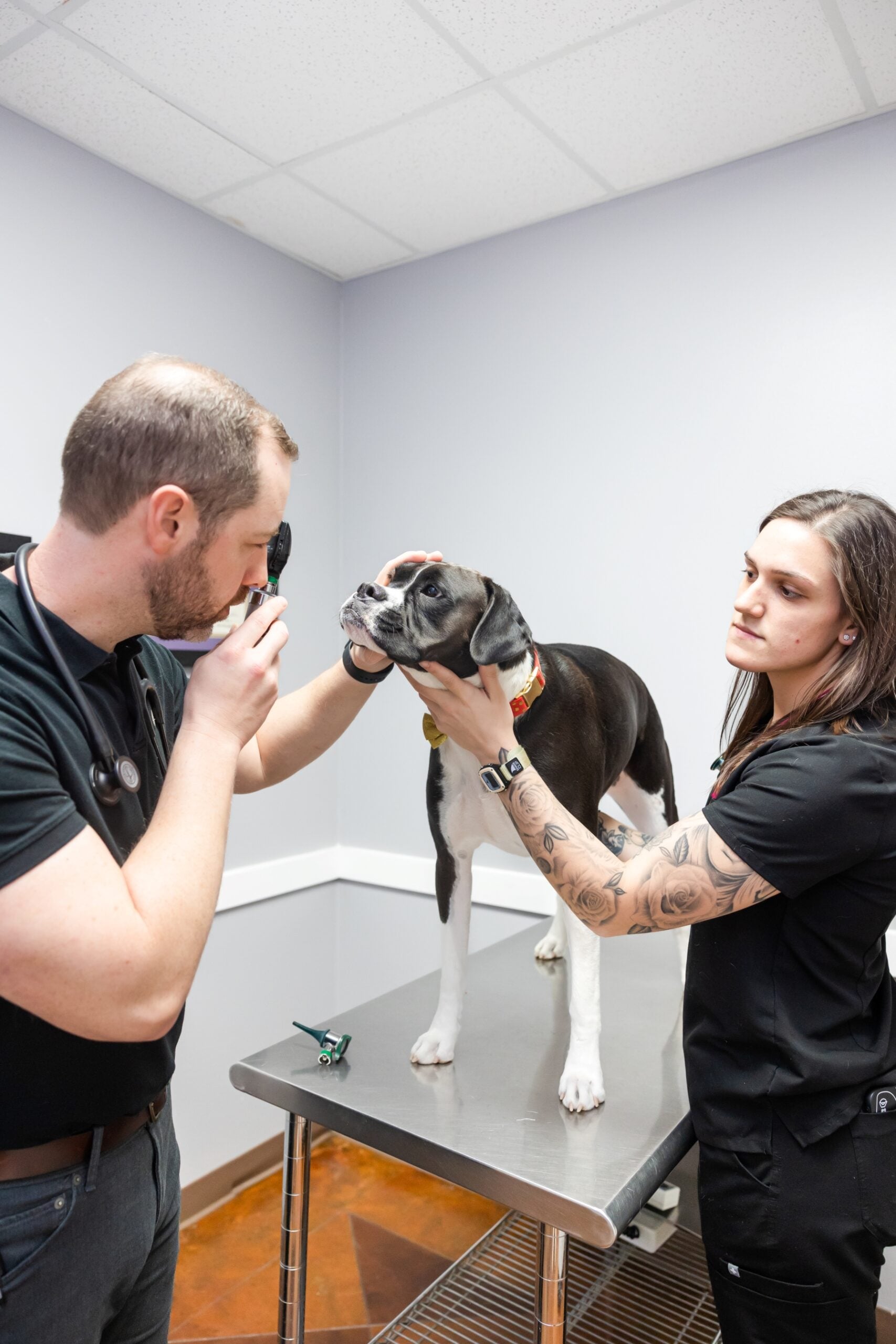
Visiting a veterinarian for parasite prevention is rarely a one-step event. The process typically begins with a conversation that clarifies lifestyle, exposure risk, and prior experiences with parasites. The clinician will review your pet’s medical history, current medications, and weight. They may perform a physical examination to assess skin condition, coat quality, coat find out more cleanliness, and overall vitality. If needed, a fecal test will be considered to evaluate intestinal parasite burden, and the results will guide decisions about deworming and preventive choices.
The discussion can also touch on environmental controls. For households with young children or immunocompromised individuals, more aggressive environmental strategies may be recommended. If your yard or community has a known parasite issue, the veterinarian may propose integrated pest management steps that include both pet-focused and home-focused measures. The practical nature of this conversation means you leave with a clear plan, a schedule for products, and a sense of how to monitor and adjust as seasons shift.
Choosing a Prairieville Animal Hospital veterinarian for parasite prevention
Selecting a veterinarian team you trust is essential to long-term success. Prairieville Animal Hospital veterinarians draw on a foundation of clinical experience, lab diagnostics, and a track record of working with families to design prevention plans that fit real life. A key benefit of the local practice is the ability to tailor advice to the Prairieville climate, the local parasite landscape, and the distinctive needs of your household. The relationship becomes not just about a single product, but about a comprehensive, adaptable program that stays current with new research and evolving risk factors.
What to expect in terms of cost and convenience
Parasite prevention programs vary in cost, depending on the product chosen, your pet’s weight, and the frequency of administration. The practical approach is to view prevention as a year-round investment in health, much like vaccines or dental care. For many families, monthly preventives offer a predictable, manageable expense that translates into fewer trips for treatment of preventable problems. Prairieville Animal Hospital team members can provide a clear estimate at the outset, including potential discounts for multi-pet households or bundled services. The aim is transparency and flexibility, not pressure.
Edge cases and exceptions you may encounter
No plan is perfect for every household. Some pets show mild adverse reactions to certain products, or they may have special medical considerations that require adjustments. If you observe vomiting, diarrhea, skin irritation, or behavioral changes after starting a new preventive, contact your veterinarian promptly. They may recommend switching to a different product, adjusting the dosage, or exploring alternative strategies. The edge cases are where strong veterinary guidance makes the difference between a workable plan and a fragile routine.
Another nuance concerns multi-pet households. Some products are designed for use in dogs and cats separately, while others cover multiple species. In homes with both dogs and cats, a veterinarian will ensure compatibility and safety, and may propose synchronized dosing schedules that minimize confusion and reduce the risk of accidental ingestion by other pets. The goal is clear scheduling that reduces error without complicating your day.
Preserving the health of the community
Parasite prevention is not solely about individual pets. By reducing parasite loads in every household, communities experience fewer environmental reservoirs and less environmental contamination. In Prairieville, this broader perspective aligns with a practical philosophy: protect pets and safeguard families while contributing to healthier neighborhoods. The veterinarians at Prairieville Animal Hospital understand this interconnectedness and communicate it through practical guidance, on-property education, and collaborative care with other local practices and organizations when appropriate.
Two practical insights that emerge from real-world practice
- Consistency beats intensity. A simple, predictable routine that fits your family is far more effective than sporadic, intense efforts that fade away after a few weeks. The habit of regular preventive use remains the strongest predictor of long-term success.
- Early intervention reduces complexity. Catching intestinal parasites early through fecal testing and prompt deworming can prevent more extensive treatment down the line, including the possibility of repeat infections or complications that complicate recovery.
Case examples drawn from clinic experience
Consider a family with two dogs and a cat who share a yard with a small creek. The dogs are avid hikers, and the cat enjoys occasional outdoor time. The veterinarian recommends a single, broad-spectrum monthly preventive for all three pets, supplemented by seasonal yard cleanup and leaf removal. The family adopts the plan, and within a few months, they notice fewer itchy episodes, less scratching, and a palpable sense of relief in the household. The dogs’ energy returns to baseline, and the cat’s litter box behavior stabilizes, reflecting improved overall health. In this scenario, the combination of consistent medication, environmental control, and routine checks creates a repeatable win for everyone involved.
A second example involves a pet with a history of mild gastrointestinal sensitivity and occasional mild dermatitis. The veterinarian chooses a preventive with a favorable safety profile and monitors the pet closely for any signs of intolerance. Within a few cycles, the animal tolerates the product well, and the household maintains their preventive routine without disruption. The clinician documents the outcome and uses the experience to refine future recommendations for similar patients, emphasizing a practical, evidence-based approach.
What you can take away from Prairieville’s approach
- Parasite prevention is a comprehensive program, not a single product. It requires coordination between medication, environmental management, and routine rechecks.
- The best outcomes come from honest communication about daily routines, exposure risk, and any concerns about safety or tolerability.
- A flexible plan that accounts for travel, changes in household dynamics, and seasonal shifts will stay relevant longer and yield better long-term protection.
- Regular rechecks, including fecal testing when indicated, help keep the plan aligned with the pet’s health status and life stage.
- The veterinarian’s guidance should feel collaborative, grounded in practical experience, and tailored to your home environment.
The human and medical sides of parasite prevention intersect in everyday life. It is not about the fear of infection or the pressure of compliance; it is about making a series of sensible, repeatable choices that protect health, comfort, and the integrity of the home. Prairieville Animal Hospital veterinarians bring a calm, informed voice to this ongoing effort, translating veterinary science into usable routines that work for busy families, weekend travelers, and multi-pet households alike.
If you are seeking a partner in preventive care, consider how a veterinary team can translate clinical knowledge into daily life. The right veterinarian will listen to your concerns, assess your living situation, and offer a practical plan that fits your budget and your schedule. In Prairieville, that partnership often begins with a conversation about risk factors specific to your area, the kind of environment your pets inhabit, and the behavior patterns that define their daily lives.
The journey toward parasite prevention is not a single decision but a sustained practice. It is the daily act of choosing consistency, of choosing to protect not only your pet but your family and community as well. It is also an invitation to rely on a veterinary team that treats your pet with respect, expertise, and a level of care that comes from a long history of working with local families, learning their routines, and adapting recommendations to fit real-world life.
In this sense, Prairieville Animal Hospital veterinarians offer more than medical guidance. They provide a framework for living with pets that honors both science and everyday practicality. Parasite prevention, when approached with this mindset, becomes less about fear and more about stewardship: stewardship of health, comfort, and the everyday joy that pets bring to a home. The end result is a healthier pair of companions and a household that moves through the year with greater ease and confidence.