What to Look for in an Animal Clinic Near Me: Prairieville Edition
When I moved to Prairieville with a growing mix of dogs and cats, I learned quickly that a clinic is more than a building with shiny equipment. It’s a set of relationships: with the people who handle your pet, with the care philosophy they embrace, and with the practical rhythms of everyday pet health. The right animal clinic near you becomes a reliable partner, not a last resort. Prairieville has a handful of options, and the best fit rarely shows up in an advertisement alone. It reveals itself through steady operations, honest conversations, and a track record you can verify with a few simple checks.
The first instinct you bring to the search is practical. Can you get in quickly when your pet shows signs of a problem? Is the clinic easily accessible for routine visits, emergency drop-offs, or after-hours questions? These questions matter because they shape not just the cost of care, but the flow of your daily life when a pet needs help. In my experience, proximity should be balanced with the clinic’s responsiveness, especially when you have a senior animal or a busy schedule. The goal is a place you can rely on, even when it’s not perfectly convenient on the calendar.
Beyond location and hours, a clinic’s approach to preventive care often distinguishes the good from the merely adequate. I’ve watched pets thrive where preventive protocols were consistent, not merely optional add-ons. Routine see details vaccines, parasite control, nutrition guidance, dental care, and senior wellness plans can all converge into a single, sustainable plan for your pet. The real value appears when preventive care is not a sales pitch but a shared decision. That means good communication, clear pricing, and a calendar you can follow without constantly chasing new recommendations.
As you read about different options, there’s a set of signals that can be observed even before you walk through the door. Do they solicit and respect your questions? Is the facility organized, clean, and inviting for both you and your pet? Do the team members project confidence, yet stay approachable when you need reassurance? You don’t need to wait for a crisis to assess these things. A quiet visit for a routine check can reveal a lot about a clinic’s culture and the kind of care you’ll receive when situations become urgent.
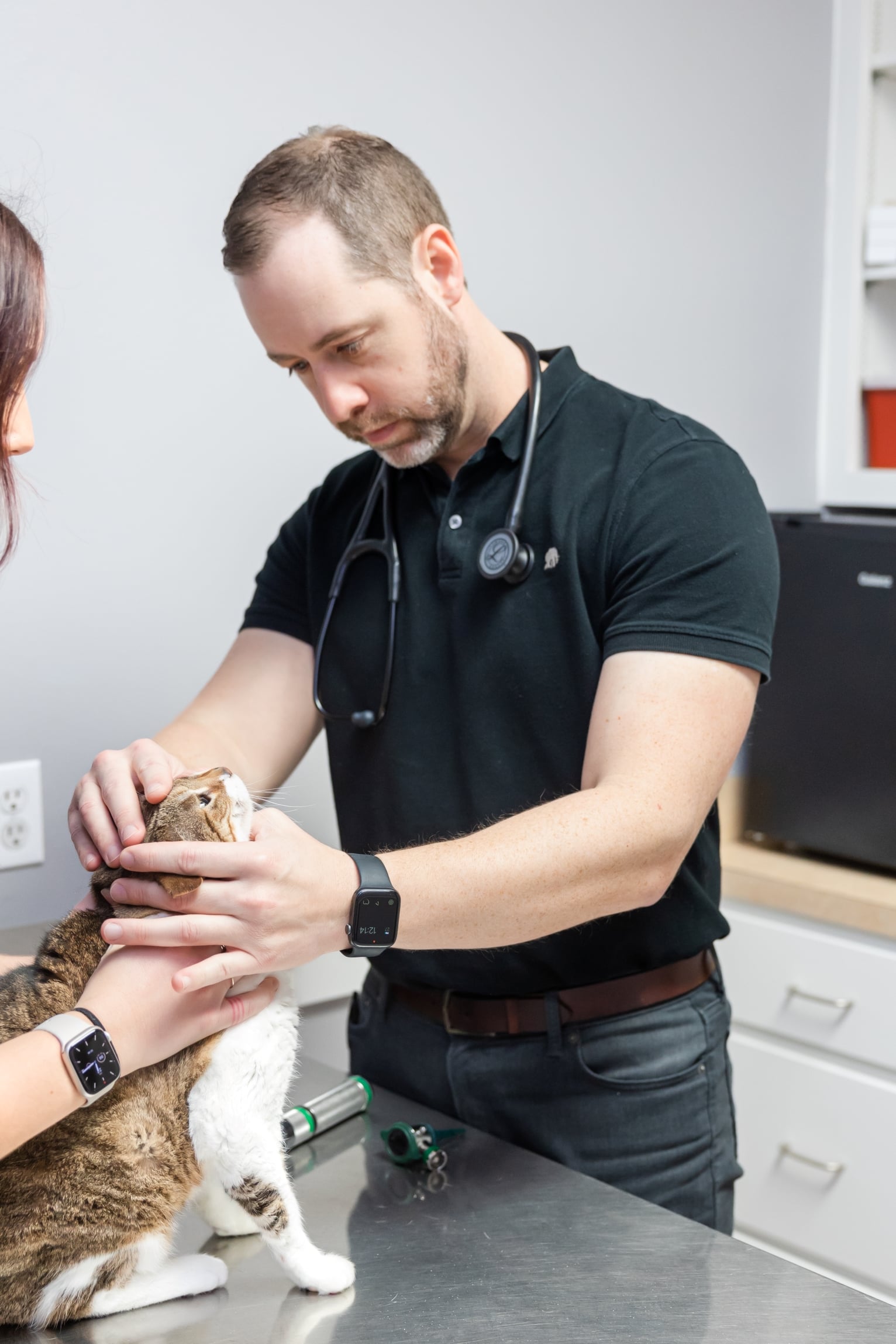
This edition centers on Prairieville specifically because the context matters. A clinic’s character is shaped by the community it serves, by the kind of cases they handle regularly, and by the availability of resources that support ongoing wellness, aging pets, and small emergencies. The decisions you make about where to go are not purely about services offered on a price list. They’re about the human and veterinary teams you’ll rely on over years of a pet’s life.
What to look for when you begin the search
The core of any good veterinary relationship rests on three threads: medical competence, clear communication, and a practical, affordable approach to care. In Prairieville, these threads reveal themselves through daily operations and the language the clinicians use when they talk about health risks, treatment options, and what happens if a plan doesn’t work as expected. A clinic that threads these elements together consistently earns trust not through grand claims but through steady performance.
I’ll stress a few specifics that tend to surface as decisive factors in real life. First is access to a broad spectrum of services without forcing you to cross town. A clinic that can handle routine wellness, urgent care during business hours, and a dependable after-hours workflow often reduces stress for you and your pet. Second, the people you encounter matter. Front desk staff who remember your pet’s names, veterinary assistants who explain what they’re doing in plain language, and veterinarians who listen without rushing through the appointment all contribute to a sense of safety and collaboration. Third, the clinic should be transparent about costs. You don’t want surprises after an exam or a test, especially when the plan involves multiple steps. When a clinic offers upfront estimates, itemized bills, and a reasonable policy for adjustments if a scenario changes, you’re dealing with a partner that respects your budget.
In Prairieville, the landscape is shaped by families with dogs that hike along the levee, cats that rule the sunlit corners of living rooms, and sometimes a ferret or two that slips into the household as a curious, if mischievous, addition. The clinics that understand this balance between everyday life and medical needs stand out. They remember you as a person balancing pet demands with work, school, kids, and the occasional weekend trip. That understanding translates into a more flexible scheduling system, clearer instructions after a visit, and a better sense of when to push for an urgent appointment versus when to monitor at home.
Two essential questions to consider during your research
- How does the clinic handle preventive care, and what does a typical wellness plan look like for a young, healthy animal versus a senior pet?
- If something goes wrong after hours or during a weekend, what is the available chain of escalation, and is there a reliable after-hours option you can access quickly?
These aren’t merely checkboxes. They reflect the daily realities many pet owners face. If a clinic can present a thoughtful approach to preventive care and a practical solution for emergencies that suits your family’s routine, you’ve likely found a good fit.
A practical framework for evaluating facilities
When you step into a Prairieville clinic for the first time, let a few impressions guide you. Do the clean floors, organized exam rooms, and a calm reception area signal that the staff takes care seriously? Is there a visible commitment to infection control, such as easily sanitary surfaces, separate areas for sick animals, and a straightforward cleaning protocol you can observe during a tour? These details matter because they reflect the discipline behind the scenes.
Another part of the evaluation is the composition of the medical team. A clinic can house a diverse set of professionals, but it matters how they collaborate. A healthy dynamic shows in how the veterinarian explains options, how the technicians assist, and how the front desk communicates appointment timing and follow-ups. You want a team that respects your input, explains the rationale behind recommendations, and follows up after visits with procedural clarity. The result is a relationship built on mutual trust rather than on forceful recommendations or unclear pricing.
If your pet has ongoing needs such as dental care, chronic condition management, or heightened anxiety around visits, the clinic’s capacity in those areas becomes crucial. Do they have access to dental radiographs, digital imaging, and a robust in-house laboratory? How do they handle complex cases that require referral to a specialist? Understanding the triage approach and the referral network can save you time and reduce the stress that accompanies difficult decisions.
A note on pricing and affordability
Affordability is not just the sticker price on a service. It’s the reality of a care plan that you can sustain over time. In Prairieville, as in many communities, the cheapest option up front may end up costing more later if you bypass essential services, miss preventive care, or encounter repeated urgent visits. A clinic that provides transparent pricing, a well explained preventive package, and options for senior pet care at predictable intervals tends to deliver better long-term value. It is worth asking about preventive packages, annual wellness plans, and what kind of discounts are available for seniors, multiple pet households, or military and first responder families. In the end, it’s about minimizing the number of times you have to decide under pressure what to do, by having a sound plan in place from the outset.
The practical dimensions of care that often prove decisive
- Availability of same-day or next-day appointments for routine issues that can worsen if delayed.
- A clear after-hours policy and an accessible on-call veterinarian for emergencies.
- Transparent estimates for tests and procedures, with honest explanations of potential alternatives.
- Clear documentation practices so you can track a pet’s health history across visits.
- A friendly, family-friendly environment that reduces stress for shy or anxious pets.
Two curated lists to support decision making
- Questions to ask at your first visit
- Services to confirm are offered in-house
The two lists above are designed to be concise, yet they cover the core concerns I’ve encountered over years of taking pets to clinics in Prairieville. Use them as a quick checklist before you settle into a longer decision process with any given clinic.
Why a real-world approach to choosing matters

The best veterinary relationships are built on real-world constraints. You want a clinic that respects your time, your budget, and your pet’s temperament. You want a team that explains options in clear terms and helps you weigh trade-offs when you face a difficult choice. You want a clinic that treats your pet like a member of the family rather than as a problem to be solved. These are not grand promises; they are lived experiences you can verify through a few practical steps.

One practical step is to observe the flow during a routine visit. See how the staff prioritizes animal welfare in the exam room, how they communicate findings, and whether they invite you into the decision-making process. If the veterinarian offers a plan with concrete steps and a reasonable timeline, you’re likely aligned with that clinic’s philosophy. If you feel pressured or are handed a long list of procedures with little explanation, consider whether that approach matches your expectations for partnership and shared decision making.
Another anchor is the after-care process. Do they provide written instructions, expected outcomes, and a realistic timeframe for follow-up? Do they encourage you to call back with questions and provide a clear path for recheck visits? The post-visit conversation is often where the quality of care becomes most evident. It is where the clinic demonstrates a commitment to ongoing communication rather than a short-sighted focus on the immediate procedure.
Case-based considerations you may encounter
- A dog with chronic skin issues that requires regular topical therapies and a plan for allergy testing if needed.
- A cat that has begun showing early signs of dental disease and would benefit from a dental cleaning scheduled within a predictable window.
- An aging dog that experiences stiffness and mobility loss, requiring a coordinated approach that blends lifestyle adjustments with medications and physical therapy when appropriate.
- A small mammal with a delicate digestive system, where the clinic’s ability to partner with a nutritionist or a specialist can prevent a crisis.
Each of these scenarios highlights a different facet of what to look for in an animal clinic near me in Prairieville. The common thread is the existence of a practical, humane approach that respects both animal welfare and family life.
A closing reflection on building a long-term partnership
Choosing a veterinary clinic is a long-term decision, not a one-off transaction. The right clinic becomes part of your household routine, offering predictable checks, thoughtful guidance, and a calm presence when your pet needs it most. In Prairieville, the clinics that succeed in this regard do so by balancing clinical competence with patient-centered communication, all within a framework that keeps costs reasonable and services accessible.
If you are just starting the search, consider the rhythm of your days. Do you value weekend hours for preventive care and vaccinations, or would you rather consolidate visits during the workweek? Are you seeking a clinic that can also handle boarding and day care, or do you prefer a specialist focus and a separate boarding facility? These preferences guide your questions and help you identify clinics that can grow with your pet’s needs.
I have found that the strongest relationships with clinics in Prairieville happen when the team demonstrates a genuine curiosity about your pet’s daily life. They ask about routine, environment, and stress triggers. They acknowledge your budget constraints without compromising essential care. They remember little details you share, like your pet’s favorite treat during a procedure or the moment when a chronic condition tends to flare. It is in those small, consistent acts that the texture of a dependable clinic emerges.
If you are ready to begin, approach the first visit as a fact-finding expedition rather than a pitch meeting. Sit with the staff, ask your questions, and notice how the clinic responds under pressure. A good clinic will treat your questions as a doorway to better care, not as a hurdle to seal a quick sale. The Prairieville community rewards clinics that earn trust with every appointment, every test, and every supportive word offered when a pet is anxious or in pain.
In the end, the choice of an animal clinic near me in Prairieville is a choice about daily life and long-term health. It is about the quiet confidence that comes from knowing you and your pet have a partner who shares your values, respects your time, and shows up with steady competence when you need it most. The right clinic does not just treat illness or deliver vaccinations. It anchors a relationship that helps you navigate the inevitable ups and downs of pet ownership with clarity, compassion, and practical wisdom.